How to Gift a ‘Feeling’ Rather Than an Object: The Ultimate Guide to Meaningful Giving
We’ve all been there. You are standing in a massive retail store, surrounded by flashing lights and endless aisles of perfectly packaged things. You desperately want to buy the perfect gift for someone you love—someone who deserves nothing less than sheer delight. But as you pick up another gadget or piece of clothing, a familiar knot tightens in your stomach. Is this really going to make them happy? Will it be forgotten by next Tuesday?
In a world dominated by consumerism, giving gifts has become an exercise in expensive guessing. We are constantly bombarded with the assumption that happiness comes in a box. Yet, true connection and lasting joy rarely arrive via Amazon Prime. The deepest, most meaningful gestures are often invisible; they are moments, memories, or pure emotional resonance. This shift—from purchasing things to curating feelings—is not just trendy advice; it’s the modern language of thoughtful giving.
Understanding the Emotional Return on Investment (EROI)
Before we dive into specific ideas, it helps to redefine what a gift actually is. A physical object is merely a container for an experience or emotion. When you consider how to gift a 'feeling' rather than an object?, you are moving from transaction to connection. You are selling time, attention, and shared vulnerability—currencies far more valuable than any department store item.
Think about the difference between receiving a new pair of shoes (which will eventually wear out) and having someone dedicate an entire Saturday morning just to taking you on a spontaneous adventure. The first provides temporary utility; the second creates a shared narrative. This shift in perspective is key, allowing us to look at our relationships not through a lens of material exchange, but one of shared growth.
Crafting Time Capsules: Gifts Based on Shared Presence
The most undervalued gift we possess is simply our time—our undivided attention. When you give your presence, you are giving someone the rarest commodity of all: uninterrupted focus. This doesn't require spending a fortune; it requires intentionality.
If you struggle with this, consider framing an experience around "unplugging." For example, instead of buying tickets to a movie (a scheduled event), gift a "Digital Detox Day Pass" that includes pre-paid reservations at a local park and the promise that you will spend four hours together without phones, screens, or external distractions.
- The Gift of Focused Listening: Commit to an evening where your sole job is to listen without interruption, judgment, or the urge to fix anything. This act alone can be deeply therapeutic.
- Curated Story Time: If you have a family member who loves history, gift them a "Personalized Walking Tour" through your neighborhood, pointing out historical details and sharing anecdotes you've learned together.
I remember gifting my friend Sarah a "Master Class in Bad Jokes"—a promise to attend three local open-mic nights with her and laugh until our stomachs hurt. We spent the evening laughing about terrible poetry and even worse comedy. It cost nothing but gas money, yet it felt like a grand adventure. This small gesture proved that how to gift a 'feeling' rather than an object? can be wonderfully simple.
Elevating Experiences: From Consumption to Creation
Experiences fall into several categories, each designed to evoke a specific feeling—adventurous, serene, learned, or nostalgic. When selecting these gifts, think about the recipient’s current emotional needs. Are they stressed and needing peace? Do they feel stagnant and craving excitement?
One must ask: Does an expensive gadget truly equate to happiness, or is it the memory of shared laughter that sticks with us?
If you're unsure where to start, consider these highly actionable types of "feeling gifts":
- The Gift of Mastery: Enroll them in a joint workshop—pottery, mixology, bread-making. The gift isn't the skill; it’s the fun of learning together.
- The Gift of Discovery: Plan a day trip to a town they’ve never visited before. Focus on exploring local markets and hidden corners rather than major tourist attractions.
- The Gift of Calm: Set up a "Home Spa Package," but instead of buying oils, gift the ritual. This involves coordinating the playlist, dimming the lights, setting out comfortable robes, and leading them through a guided meditation session you researched together.
As one quote wisely reminds us: "The best gifts are not things; they are moments." These structured acts of generosity help guide people on how to gift a 'feeling' rather than an object? by making the emotional payoff the central element.
The Deep Connection: Giving Comfort and Security
Sometimes, the feeling we need to convey is Click for info one of unwavering support or deep comfort. This requires empathy—the ability to see what the other person needs before they even realize it themselves. It’s about being a reliable anchor in their life.
This form of gifting can be subtle but incredibly powerful. If a friend has just undergone a major life change (a move, a job loss), instead of sending flowers, gift Whisky Lover "The Care Package." This package contains:
- A handwritten journal and prompt ideas for reflection.
- Pre-made meal vouchers to cover a week of cooking stress.
- A promise of regular check-in calls where you only talk about their feelings, never your own problems.
This level of sustained emotional investment is the deepest way how to gift a 'feeling' rather than an object? It tells them: "I see you, and I am here."
Designing Lasting Joy Through Intentional Giving
The core lesson in rethinking gifting isn't that objects are bad; it’s that they shouldn't be the focus. The most successful gifts act as catalysts—they initiate a memory, spark a conversation, or provide temporary respite. They elevate the moment above the material cost.
By recognizing that joy is an active creation rather than a passive purchase, we transform gift-giving from a stressful shopping chore into a meaningful act of emotional generosity. What feeling do you want your gift to create? Focus on solving for that emotion—be it nostalgia, excitement, or deep peace—and the perfect "object" will simply be the vehicle.
Beyond the Ribbon: Curating Your Next Emotional Gesture
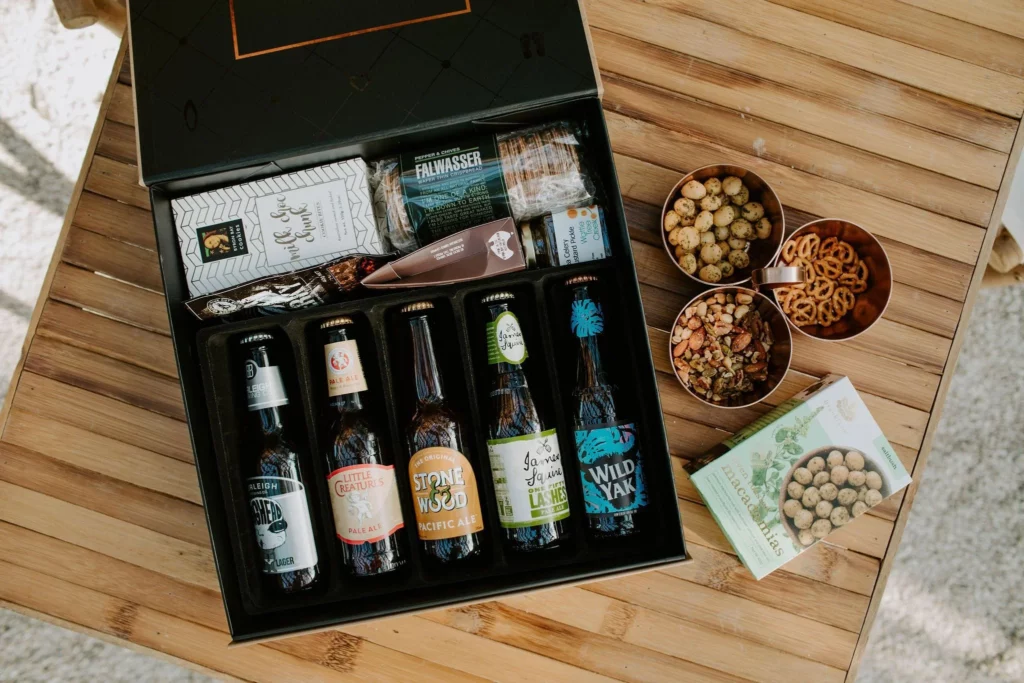

The practice of giving emotional gifts is a skill set that improves with practice. Don't wait for a birthday or holiday to apply these principles. Start small. When you are planning your next gift, pause and ask yourself: "If I could bottle one feeling—pure relaxation, unstoppable giggles, profound connection—which one would it be?" By shifting your focus this way, every interaction becomes an opportunity to practice the art of intentional generosity. Experiment with giving time first; the material gifts will simply become bonuses.